

Event Dates
Thursday, October 1, 2026, and Friday, October 2, 2026

Location
Confluence Technology Center
285 Technology Center Way, Ste 102
Wenatchee, WA 98801

Objectives
By the end of this two-day event, participants will have:
- Connected with rural prevention peers across Washington
- Strategized around rural network action plan and advancing prevention efforts in rural Washington
- Learned latest science, data analysis, and equity initiatives in the substance misuse prevention field
Overview
The Rural Network, a group of prevention specialists, volunteers and leaders across Washington state who work towards building resiliency and preventing youth substance misuse in rural communities, are hosting their third bi-annual Rural Prevention Conference in Wenatchee, WA on Thursday, October 1st – Friday, October 2nd.
We welcome anyone living-in, working-in, or simply interested-in learning more about rural prevention. We are excited about the two days of speakers, sharing ideas, networking, and energizing together. This year the focus will be on what is working in small towns throughout the state, how to better understand youth experience and meet youth where they are at, and why connection is more important than content when doing prevention work.

Free Registration!
To attend for free, request a code PRIOR to registering.
Send your request to
abigail.wells@esd112.org.

Tabling Opportunities
Tabling will be happening on both days of the conference for vendors to promote programs and resources. Unfortunately, our tabling space is full at this time, and we are no longer taking requests. If you have any questions about tabling, please contact Abigail Wells (abigail.wells@esd112.org).

Clock Hours & Credits
Clock hours and continuing education credits are available at this event. More information on how to claim hours and credits will be posted here as soon as available.

Networking Opportunities
Along with two days of learning and connection, a conference registration includes:
- Breakfast and lunch served both days of the conference.
- Rural Tiny Treasure Hunt, with hidden rural-themed items and prizes.
- Musical performance from Wenatchee High School’s Mariachi Huenachi.
- Restorative sound bath experience.
- Chalk the Change, a collaborative mural celebrating rural communities, connection and hope.
- Networking/discussion breakout rooms with guided questions.

Lodging Option #1
Fairfield by Marriott Inn & Suites
201 Valley Mall Pkwy, East Wenatchee, WA 98802
Special group rate starting at $155
How to Reserve:
Register through the link below to automatically apply the conference attendee group rate to your reservation.
If you need assistance, call (509) 436-9830. It is important when calling to reference the group code RPN (Rural Prevention Network) to ensure obtaining the group rate.
Group rate cutoff date is September 9th, 2026. After this date, any unreserved rooms will be released, and the discounted rate will no longer be available.
Lodging Option #2
Avid Hotel Wenatchee
1640 N Wenatchee Ave, Wenatchee, WA 98801
Special group rate starting at $110
How to Reserve:
Register through the link below to automatically apply the conference attendee group rate to your reservation.
If you need assistance, call (509) 663-8115. It is important when calling to reference the group name “ESD 112” and rate code “ESD” to ensure obtaining the group rate.

Conference Schedule - Day 1
STRENGTHENING RURAL PREVENTION SYSTEMS & COMMUNITIES
Start the conference by digging into the systems, partnerships, and strategies that make prevention possible in rural communities. Explore interactive large-group sessions and a variety of breakouts, Thursday is designed to spark ideas, strengthen connections, and give you practical tools to take back to your community. Subjects include:
-
- AI in prevention
- Commercial tobacco
- Gambling education
- Behavioral health and SBIRT
- Rural data
- Community resiliency
- Law enforcement partnerships
- Policy and systems change
- Prevention campaigns
- Cultural humility and equity
- Building stronger community supports for families
DAY 1 PRESENTERS
- Opening Keynote
- Breakout Speakers - Session 1
- Lunch Performance
- Lunchtime Keynote
- Breakout Speakers - Session 2
- Afternoon Keynote
- Breakout Speakers - Session 3
“AI in Prevention: Opportunities, Limitations, Cautions, and What Practitioners Might Want to Know”
Artificial intelligence is reshaping how practitioners work — but most prevention programs are still figuring out what that means in practice. This session cuts through the hype to offer a grounded, honest look at how prevention staff can use AI tools right now, what the real limitations are, and what practitioners should be cautious about — including environmental and public health impacts that rarely make it into the conversation.

Rob Hutson
President and co-founder of Rede Group
Robb Hutson, MA, is President and co-founder of Rede Group, where he has worked in prevention for over 16 years. He has partnered with communities across Alaska, Oregon, Washington, and throughout the US on drug (especially cannabis), alcohol, and tobacco prevention efforts. For the past six years, Robb has led the training and one-on-one support contract for Washington State Department of Health’s Youth Cannabis Commercial Tobacco Prevention Program (YCCTPP). He is a former President of the Oregon Public Health Association and currently serves on the leadership team of the Alcohol, Tobacco and Other Drug (ATOD) section of the American Public Health Association. He is a frequent conference speaker and organizes CannAct, the longest-running cannabis, prevention, and public health conference in the country.

Jill Hutson
Jill Hutson, MA, has been working in Public Health and prevention for over 30 years. She has held prevention positions in non-profits and county and state government. As a founding partner and CEO at Rede, Jill works with clients to advance health equity through community assessments, program evaluation and planning. A trained and skilled facilitator, she believes in the power of diverse coalitions to solve society’s biggest problems. Jill holds a Master of Arts in Organizational Leadership and Ethics.
Sarah Hancock
Coalition Coordinator, EPIC Coalition, Longview, WA
“Relationships That Create Change”
Beyond the buzzwords, we’ll explore what meaningful engagement and authentic community connection truly look like and how it can help strengthen your coalition. Participants will learn practical strategies to identify existing connections, build trust, and engage community members in meaningful ways. The session will highlight relationship-centered outreach approaches that encourage long-term involvement rather than one-time participation. Attendees will leave with ideas for expanding their network, deepening community partnerships, and recruiting coalition members to join the cause.
Paulina Zyskowski
Prevention and Community Engagement Specialist, Evergreen Council on Problem Gambling
“The Why and How of Incorporating Gambling Education into Youth Prevention”
This session will provide a crash course on the current gambling landscape, explain how problem gambling and substance use prevention work, and challenge participants to develop strategies to incorporate it into their work. Key resources will include screeners, outreach materials, workforce development, and treatment/recovery help.
Heidi Low
Western Region Advocacy Director, Campaign for Tobacco Free Kids
&
Natalie Hester
Consultant, Hester Consulting
“Choosing Kids over Big Tobacco”
The tobacco industry works hard to hook a new generation of users. In addition to spending over $80 million a year on marketing just in Washington state, they’re constantly innovating and putting new products on shelves that appeal to kids.
We’ll pull back the curtain on how the industry has been so effective over the years and what they’re up to now with newer and emerging products. Learn more about proven policy changes that combat the tobacco industry’s stranglehold and ways you can be part of creating that change.

“Small Approach, Big Impact: Screening, Brief Intervention, and Referral to Treatment”
In this interactive presentation, we will review the steps involved in Screening, Brief Intervention, and Referral to Treatment (SBIRT), and discuss opportunities to use this approach to reduce the likelihood of someone “slipping through the cracks” when they might be struggling. As a group, we will discuss strengths and challenges of this approach in rural settings. Finally, we will explore opportunities to implement the SBIRT approach.

Jason Kilmer, PhD
Professor of Psychiatry and Behavioral Sciences, University of Washington School of Medicine
Dr. Jason Kilmer is a Professor of Psychiatry and Behavioral Sciences at the University of Washington (UW) School of Medicine and an Adjunct Professor of Psychology at UW. Throughout his career, Jason has worked in both the student affairs world and the research world. In each professional position he has held, his responsibilities include research related to reducing harms associated with substance use by college students and directly serving and supporting students and colleagues in divisions of Students Affairs or Student Life.
At UW’s Center for the Study of Health & Risk Behaviors (CSHRB), Jason serves as an investigator on several studies evaluating prevention and intervention efforts for alcohol, cannabis, and other drug use by college students. In addition to research and teaching, Jason has worked extensively with college students and campus professionals around alcohol and other drug prevention programming both at UW and on over 150 campuses nationwide.
Jason has been project faculty for several international learning collaboratives, including Dartmouth’s National College Health Improvement Program and the International Town and Gown Association’s (ITGA’s) partnership with UW’s BASICS Innovations Group to support campuses in their implementation of Brief Alcohol Screening and Intervention for College Students (BASICS).
Jason was the 2014 recipient of the National Prevention Network’s Award of Excellence for outstanding contributions to the prevention field, was the 2024 recipient of The Montana Institute’s Science of the Positive National Leadership Award and was the 2025 recipient of NASPA’s George D. Kuh Award for Outstanding Contribution to Literature and/or Research.
Garth Donald
Mental Health & Substance Abuse Coordinator, Chelan-Douglas Health District
“Digital Minds: Technology and Youth Mental Health”
Using recent national and regional data, we will explore how social media and technology affect the mental health of young people. While technology can help youth stay connected and find support, it can also lead to stress, anxiety, and low self-esteem. Cell phones and tablets may create a distraction that impacts real-world friend and family time, creating unhealthy attention-span cycles. Together we will consider the complex and rapidly evolving world of digital connection and mental health, with steps you can take to help keep your family and community safe and healthy!
Erika Ochoa
Community Health Specialist– Public Health Partnerships, Yakima Health District
&
Angela Bazan
Program Director, NAMI, Yakima, WA
“Connection is Prevention: Building Community Resiliency Through Trust, Education, and Support Networks”
This presentation examines how upstream prevention strategies can strengthen community resiliency by increasing protective factors, fostering connection, and supporting mental wellbeing. Participants will learn how trauma-informed approaches, trusted adult trainings, and community education efforts can help address barriers and build trust. The session will provide actionable ideas for creating sustainable networks of support that promote healthier, more resilient communities.
Justin Mauger, MA, BSW
Central & Eastern WA Community Health Educator, Washington Poison Center
&
Alex Sirotzki, MPH
Public Health Education Specialist, Washington Poison Center
“Over the counter and under the radar: licit substance poisoning in WA State adolescents”
The majority of cases reported to the Washington Poison Center (WAPC) involving adolescent patients are cases of self-harm/self-poisoning reported to us from healthcare facilities. Our presentation will focus on these cases, describing common substances involved, and providing recommendations from WAPC to keep adolescents safe. Key recommendations include a discussion on mechanisms and safer storage practices.
“What the Data Says, What You Already Know: Rural Youth Behavioral Health and the Path Forward”
Rural youth face significant gaps in the behavioral health workforce and services needed to support their mental health: rural counties have half the per capita supply of youth behavioral health clinicians as urban areas, nearly two-thirds lack any such provider, and rural youth with opioid use disorder travel twice as far to access care. But rural prevention specialists know their communities better than any dataset can capture. This session pairs a brief overview of findings from a recent WWAMI Rural Health Research Center report with a guided, small-group problem-based learning activity. Groups will identify a rural youth challenge that resonates with their community, work through a structured brainstorm, and develop one concrete first step to take back home.

Janessa Graves, PhD, MPH
Director, WWAMI Rural Health Research Center
Professor, Department of Family Medicine, University of Washington School of Medicine
Janessa M. Graves, PhD, MPH, is Director of the WWAMI Rural Health Research Center and Associate Professor in the Department of Family Medicine at the University of Washington (UW) School of Medicine. Dr. Graves is a nationally recognized health services researcher whose work focuses on improving access to healthcare in rural and underserved communities, particularly behavioral health and injury prevention. Her research integrates large healthcare data with community-engagement to address barriers to care and inform state and federal health policy. She has authored more than 100 peer-reviewed publications and currently serves on the Providence Inland Northwest Community Mission Board of Directors and the Washington Rural Health Association Board of Directors. Dr. Graves earned her MPH and PhD from the UW School of Public Health and holds a BA from Columbia University.
Naomi Levine
Community Liaison, Kitsap Public Health District
“How to Localize a Campaign”
This presentation will be about how the “Tough Love” campaign came to be. Details about localization and translation will be shared. The goal is to give the audience an example of how a free campaign from a national organization can be made to feel like it came from the community and have an impact.
Eliza Powell
Prevention and Treatment Manager, Northwest HIDTA
“Law Enforcement & Prevention: Action-oriented Relationship Development”
This session will explore how prevention organizations can effectively partner with local law enforcement agencies, including school resource officers, to expand capacity, strengthen sustainability, and improve prevention outcomes in rural communities. It will also highlight findings from the HIDTA statewide needs assessment and literature review.
Scott Waller
Policy Lead, Washington Association for Substance Misuse and Violence Prevention (WASAVP)
“Good Policy Makes Great Prevention”
Providing prevention education to students is valuable, but its impact is limited to those in the room. Policy work, however, can improve conditions for an entire community. This session will cover the types of policy decisions that shape community health, what prevention providers and coalitions are allowed to do in policy development, and will give participants hands-on practice creating a policy-change plan for their community.
Katie Tolley
Director of Advancement & Marketing, Maddie’s Place, Spokane, WA
&
Kim Dunham
Director of Family Advocacy, Maddie’s Place, Spokane, WA
“It Takes a Community: Building Collaborative Systems of Support for Families Impacted by Substance Use”
This session will explore how Maddie’s Place uses collaboration, trauma-informed care, and community partnerships to support substance-exposed infants and families impacted by substance use disorder. Presenters will share practical lessons learned from building relationships across healthcare, behavioral health, recovery services, child welfare, and community organizations to create stronger systems of support for vulnerable families. Attendees will learn sustainable, adaptable, and low-cost strategies that can strengthen prevention efforts, improve care coordination, and increase protective factors for children and caregivers, particularly in communities with limited resources. The session will also explore how early intervention, caregiver support, and cross-sector collaboration can play a critical role in long-term youth wellbeing and prevention.
Conference Schedule - Day 2
CENTERING YOUTH, VOICE & CONNECTION
Day 2 puts young people at the center of the conversation. You’ll hear directly from youth themselves through sessions featuring youth voices and experiences—including Shannon Russell & Kamryn Moore, Jessica Cranefield & the Cle Elum-Roslyn Prevention Club, and Theresa Misner & STACC Youth. It’s a day focused on young people; their experiences, their voices, and relationships that help them thrive.
-
- Authentic youth partnerships
- Peer mentoring
- Youth data
- Youth voice in program development
- Student leadership
- School culture
- Protective factors
- Social norms
- The neuroscience of wellbeing
DAY 2 PRESENTERS
- Pre-Conference Sound Bath Experience
- Opening Keynote
- Breakout Presenters - Session 1
- Breakout Presenters - Session 2
- Lunchtime Keynote
- Breakout Presenters - Session 3
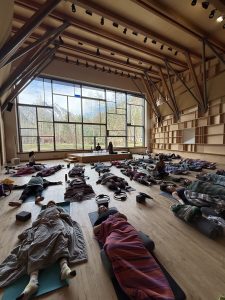

Restorative Sound Bath Experience
Registered attendees are invited to attend this
optional free event held at the conference center.
Presented by:
Alpine Hot Yoga Studio
Hosts: Franklin Johnson, Amanda Goodman,
Kristi Bendick & Aimee Huffman
“Understanding and Engaging Youth”
Stop trying to entertain youth and start engaging them. This keynote explores the science of engagement and social development with actionable strategies that have worked in a rural context.

Xander Cook
Lead Consultant, Health Design Youth Academy
Xander Cook is a passionate youth leadership specialist and speaker with many years of experience engaging and empowering young people through prevention, leadership development, and youth programming. As a CADCA youth leadership trainer and youth program coordinator in Washougal, Xander brings a dynamic, evidence-based approach to his work. A recipient of CADCA’s Outstanding Youth Award, Xander specializes in youth leadership, youth engagement, prevention science, and public speaking. He creates customized, engaging trainings designed to meet the unique needs of each group and believes in putting evidence into action to help young people and communities thrive.
Brittany Aguilar
Executive Director, Prosser Thrive
“Building Authentic Youth Partnerships”
This workshop will explore how Prosser Thrive engages youth as authentic partners in prevention work through the Youth Café model and collaboration with Mustang Thrive, a student-led youth coalition. Participants will learn how Youth Café events create meaningful opportunities for youth voice, leadership, and community connection while strengthening coalition efforts. Presenters will share practical strategies for building effective youth-adult partnerships, engaging students in prevention initiatives, and sustaining youth involvement in community change efforts. Attendees will leave with actionable ideas and tools to strengthen youth engagement within their own schools, coalitions, and organizations.
Jolynn Kenny
Executive Director & Hope Ambassador, MENTOR Washington
“Peer Mentoring in Rural Communities”
Peer mentoring models have become increasingly popular in recent years, particularly in rural communities, even in community-based settings. When older youth can develop their leadership skills while supporting younger people it can be a win-win for everyone. However, to produce lasting positive outcomes peer mentoring must be carefully curated and requires intentional program supports. This session will help you identify whether a peer mentoring model is a good fit for your community and best practices leading such a program.
Shannon Hoskins
Epidemiologist, Wahkiakum County Health & Human Services
“Rural Youth Substance Use in Southwest Washington: Adding a Look at District Income Level”
Rural youth data tells an important story on its own, and a new regional report series shows that adding a second lens, district income level, can surface patterns worth knowing about too. This session shares findings and methods from Youth Substance Use in Southwest Washington State, a six-county report series that looks at rural vs. non-rural Healthy Youth Survey data, then goes a step further to break rural districts down by income level. Attendees will leave understanding how we defined rural districts and income levels, how to interpret the findings in the report, and what patterns come into view once income is layered onto the rural picture.
Katrina Wulff
Care Coordinator/Advocate, Youth Advocacy Center
&
Isaac Wulff
Partner, Parent, Rural Network Steering Member & Rural Community Advocate
“Bridges: A Guide to Better Understanding”
Preventing violence, substance use, and other risk factors among children and youth is not something professionals can do alone. Meaningful work in rural spaces begins with connections, especially with caregivers, families, and community members who may not always feel that they have a place at the table.
Together, we will explore how to build authentic connections with caregivers and move from simply providing information to meaningful engagement. We will look at practical tools and strategies for building trust, forming relationships, and navigating difficult conversations. We will practice recognizing the strengths families already bring, and creating opportunities for caregivers to become active partners in prevention efforts. When we meet people where they are, listen before we lead, and create space for every voice to be heard, then together, we can bridge the gap between caregivers, communities, and professionals. Become bridge builders and create stronger connections that support health in our children and communities.
Xander Cook
Lead Consultant, Health Design Youth Academy
“Neuroscience of Wellbeing: Understanding How Our Neurotransmitters Can Create Wellness”
This session will explore how we evolved to use “Feel good” molecules to get what we want and need, how companies hijacked our biology to make money, and how we can use them create a fulfilling experience. Leaning into the science of neurotransmitters, we will correct common misconceptions and build fundamental knowledge in the biology that will help us make decisions that lead to greater well-being.
Nikki Van Wagner
Sexual Violence Prevention Program Consultant, OSPI
“YES! to Safer Schools: Preventing Sexual Violence Through School Culture and Student Voice”
This session introduces the Youth-centered Environmental Shift (YES!) Program—a free, flexible toolkit from Washington’s Office of Superintendent of Public Instruction that helps middle schools prevent sexual violence, harassment, and bullying. YES! works to shift school culture, policies, and physical spaces so the whole school environment protects students from violence. Learn about innovative tools like hot spot mapping, which gathers real data about where students feel safe and unsafe at school. We’ll explore how rural schools can build prevention work by centering student voices, leveraging community partnerships, and connecting this work to issues your community already cares about. You’ll leave with practical strategies for creating safer schools when resources are limited but commitment is strong.
Shannon Russell
Lead Prevention Program Lead, Room One
&
Kamryn Moore
High School Senior at the Independent Learning Center, Twisp, WA
ASB President
“The Value of Amplifying Youth Voice in Program Development”
This presentation will focus on the planning, development and implementation of “RoomTwo”, a youth-designed drop-in teen center that was launched in the fall of 2026. RoomTwo’s unique model is embedded within the social services organization, Room One, and is located in rural Twisp, WA. Presenters will share the benefits of, and strategies to include, youth voice in all aspects of project or program planning including awareness of how ageism can impact decision-making. Viewers will learn more about how to support youth resiliency in rural areas by increasing access to safe spaces, positive activities, information and relationships with trusted adults.
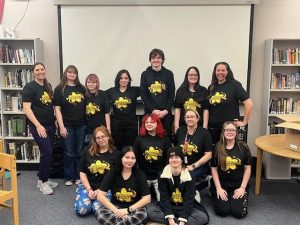
“Youth Voice in Action: Advocacy, Prevention, and Community Change”
The Cle Elum-Roslyn High School Prevention Club will share how rural youth can create meaningful change through prevention advocacy, community engagement, and policy involvement. Students will highlight their work educating peers and community members on substance use prevention, participating in legislative testimony related to flavored tobacco and kratom, and collaborating with local leaders to support prevention-focused policies, including the City of Cle Elum’s kratom ban. The presentation will also showcase how youth voice, leadership opportunities, and strong community partnerships can empower students to make a lasting impact in their schools and communities.

Jessica Cranefield
Community Prevention Specialist, ESD 105 & Cle Elum-Roslyn School District
&
Students at Cle Elum High School Prevention Club
Paula Linden
Community Prevention Project Coordinator, Prevent Coalition, ESD 112, Vancouver, WA
“Advancing Rural Equity: Integrating Cultural Humility and Unbiasing Strategies in Prevention”
To effectively prevent youth substance misuse in rural areas, community preventionists must move beyond “one-size-fits-all” urban models and embrace rurality as a unique cultural identity. This session explores how systemic data gaps—specifically the “urban bias” found in federal datasets like the Youth Risk Behavior Surveillance System (YRBS)—suppress granular information on frontier and remote areas, leading to an inequitable distribution of funding for local youth initiatives.
Participants will explore the challenges of working in small communities, where limited anonymity can heighten stigma and privacy concerns. The session will share practical strategies for building trust through community hubs and informal leaders, such as schools, churches, pastors and family members.
Participants will also learn tools for reducing bias in prevention work, including cultural humility and the “Slow Down” method. These approaches can help practitioners shift from outside experts to collaborative partners and make more thoughtful, equitable decisions about youth leadership, resources and prevention strategies.
Daniel Lopez, PhD
Epidemiologist, Clark County Public Health, Vancouver, WA
“Community Connection and Protective Factors Among Rural Youth in Washington State Findings from the Healthy Youth Survey”
This presentation will use Washington State Healthy Youth Survey data from 2018–2025 to examine how rural–urban settings are related to community connectedness, school environment, and selected risk factors, as well as how these patterns have changed over time.
Xander Cook
Owner / Lead Consultant, Health Design Youth Academy
“Implementing a Social Norms Marketing Campaign: A Low-Cost Evidence Based Strategy”
This workshop explores how social norms marketing campaigns can serve as a low-cost, evidence-based strategy for promoting healthy behaviors and reducing risk behaviors. Participants will learn the core principles of social norms messaging, how to design effective campaigns, and practical ways to implement these strategies in schools and community settings.

Our Sponsors